Table of Contents
Transform Your Home’s First Impression with Front Yard Curb Appeal Ideas for 2026 in Vancouver
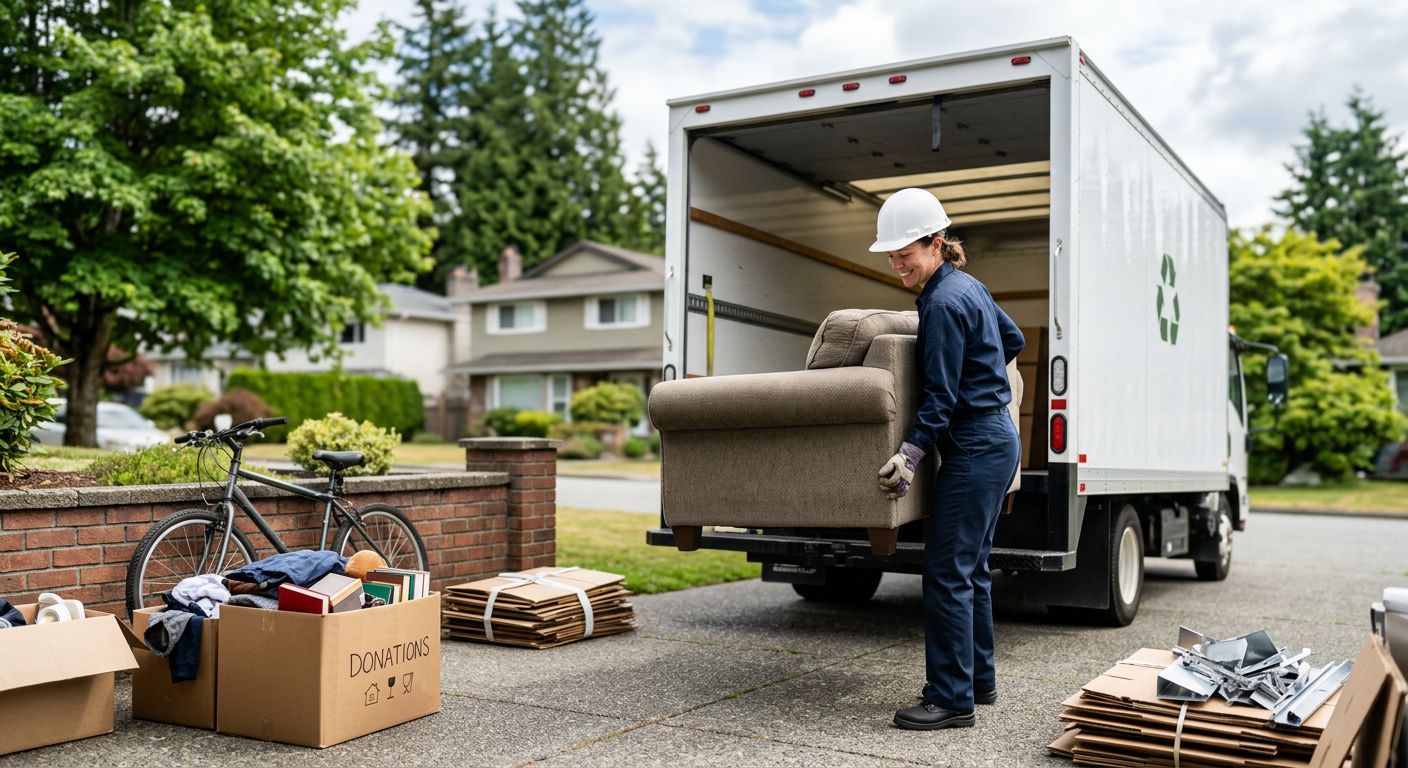
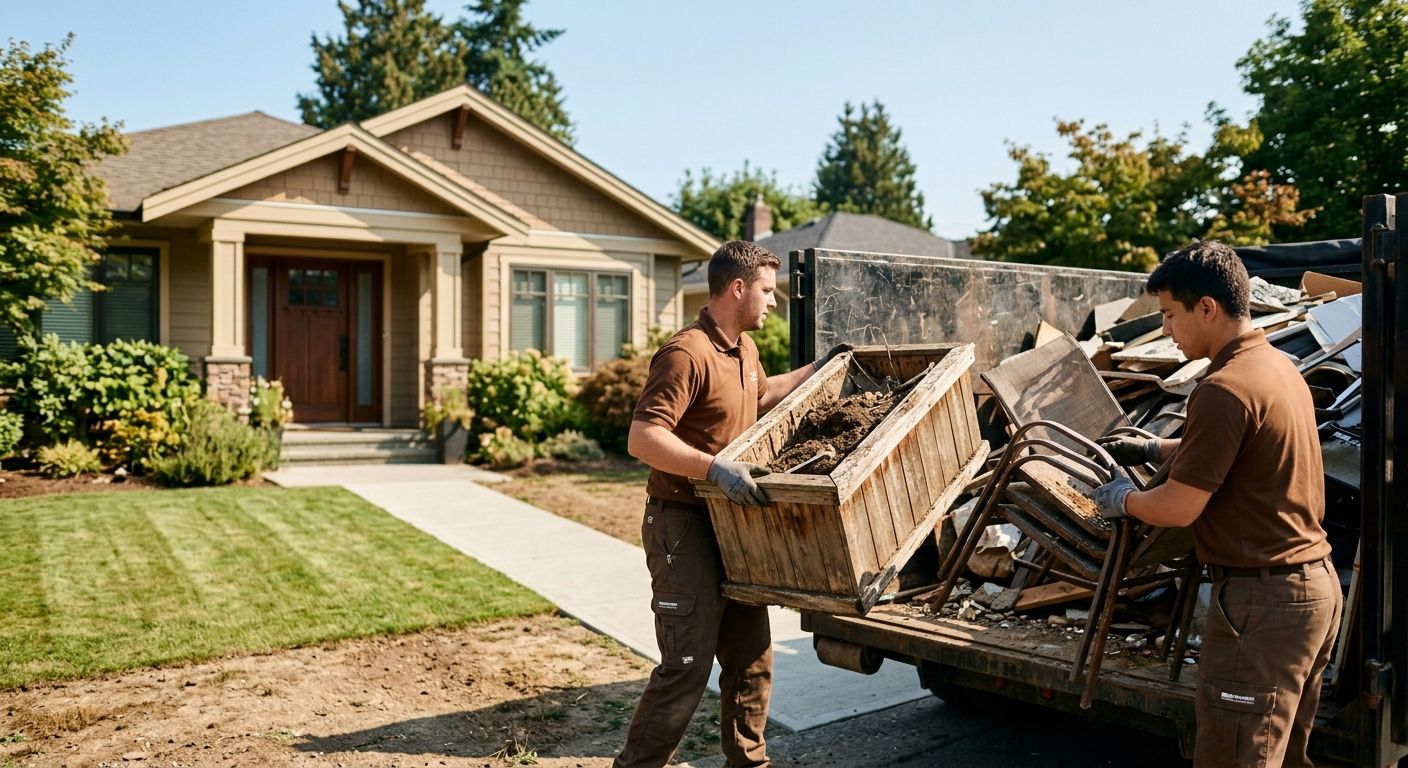
One of the most impactful front yard curb appeal ideas for 2026 in Vancouver starts with clearing away clutter. Our eco-friendly waste removal ensures that everything from broken pots to old fence boards, tree trimmings, and unwanted patio furniture is recycled or donated. We haul away old planters, broken patio furniture, piles of yard debris, and renovation leftovers – soil bags, concrete chunks, and old fencing included – all too heavy or awkward for a DIY cleanup. We partner with local nonprofits like Habitat for Humanity and The Salvation Army to donate reusable items, giving your yard waste a second life. A clutter-free yard makes a stunning first impression before guests even reach the door. A spotless entrance instantly boosts curb appeal, which is a top 2026 trend. Call or book online for a free quote – we give you peace of mind, one piece at a time.
1. Start with a Clean Slate
When exploring front yard curb appeal ideas for 2026, the smartest first step is to start with a clean slate—clearing all unwanted junk from your front yard, driveway, and garage.
The very first thing you can do to transform your home’s curb appeal is to start with a clean slate. Decluttering your front yard, driveway, or basement instantly reveals your home’s potential and gives you a blank canvas for decorating or landscaping. We love junk because we see the hidden potential underneath. When you’re ready to begin, simply snap a photo or describe your junk for an instant free quote—no hidden fees, ever. Our team handles everything hauled away responsibly, prioritizing recycling and donation to keep items out of landfills. We proudly serve all over Greater Vancouver, making it easy to clear your space responsibly. For reliable eco friendly junk removal in Vancouver, book online or call us today—same-day service is often available. We give you peace of mind, one piece at a time.
With transparent pricing and a recycling-first approach, you can start your transformation with confidence—reach out for your FREE QUOTE today.
2. Elevate Your Walkway with Low-Voltage Lighting
One of the top front yard curb appeal ideas 2026 is adding low-voltage lighting to your walkway. Beyond general clean-up, strategic lighting transforms your entrance into a welcoming, safe space after dark. But a clear, debris-free path is essential for your lights to look their best.
We can clear away old furniture, broken planters, and yard waste that clutter your walkway, giving new lighting the space to shine. A debris-free path prevents shadows and trip hazards, boosting both safety and aesthetics. Plus, we recycle and donate reusable items whenever possible, so your walkway prep is eco-friendly.
When you’re ready to install, choose low-voltage LED fixtures for easy placement and energy savings. They create a modern look, improve nighttime safety, and extend your outdoor enjoyment after dusk.
We give you peace of mind, one piece at a time. Contact us for a FREE QUOTE on junk removal to clear your walkway and get it ready for a 2026 curb appeal transformation.
3. Add a Cozy Front Yard Patio
Another effective way to boost your front yard’s curb appeal is by creating a cozy patio space. A thoughtfully designed patio adds instant charm and provides a welcoming spot to relax, making it one of the most impactful front yard curb appeal ideas 2026. To get started, we recommend using permeable pavers or recycled concrete—materials that align with Metro Vancouver environmental guidelines and improve stormwater drainage.
A small bistro set or wooden bench turns the area into an inviting seating nook, while potted plants or a vertical garden soften the edges and add year-round greenery. Before building, proper site prep is essential: clearing old debris, leveling the ground, and ensuring adequate drainage. That’s where we come in—our team provides eco friendly junk removal in Vancouver, hauling away old materials and overgrown plants responsibly. For evening ambiance, string up solar or low-voltage lighting like lanterns or fairy lights. We also suggest checking Metro Vancouver’s resources to avoid permit issues and make sustainable choices. Now that your patio is in place, consider adding decorative elements like planters or a stylish pathway to complete the look.
4. Plant for Year-Round Color in BC
For front yard curb appeal ideas for 2026 in Vancouver, year-round colour starts with smart plant choices for our coastal zone 7–8. We rely on glossy camellias and compact boxwood for winter structure, while daffodil and crocus bulbs begin their show in early spring. These cold-hardy evergreens keep the entryway fresh even on grey days. For extra wildlife charm, tuck in native red-flowering currant—its early blooms help birds and require no fuss. This combination provides interest from January onward.
As spring warms into summer, drought-tolerant perennials like lavender, echinacea, and catmint deliver long-lasting colour without heavy watering. By autumn, Japanese maple and feathery ornamental grasses ignite the front yard with fiery hues. These selections thrive with minimal care and make a statement through the seasons. A layered bed of these low-maintenance plants creates a welcoming entry that changes beautifully month by month.
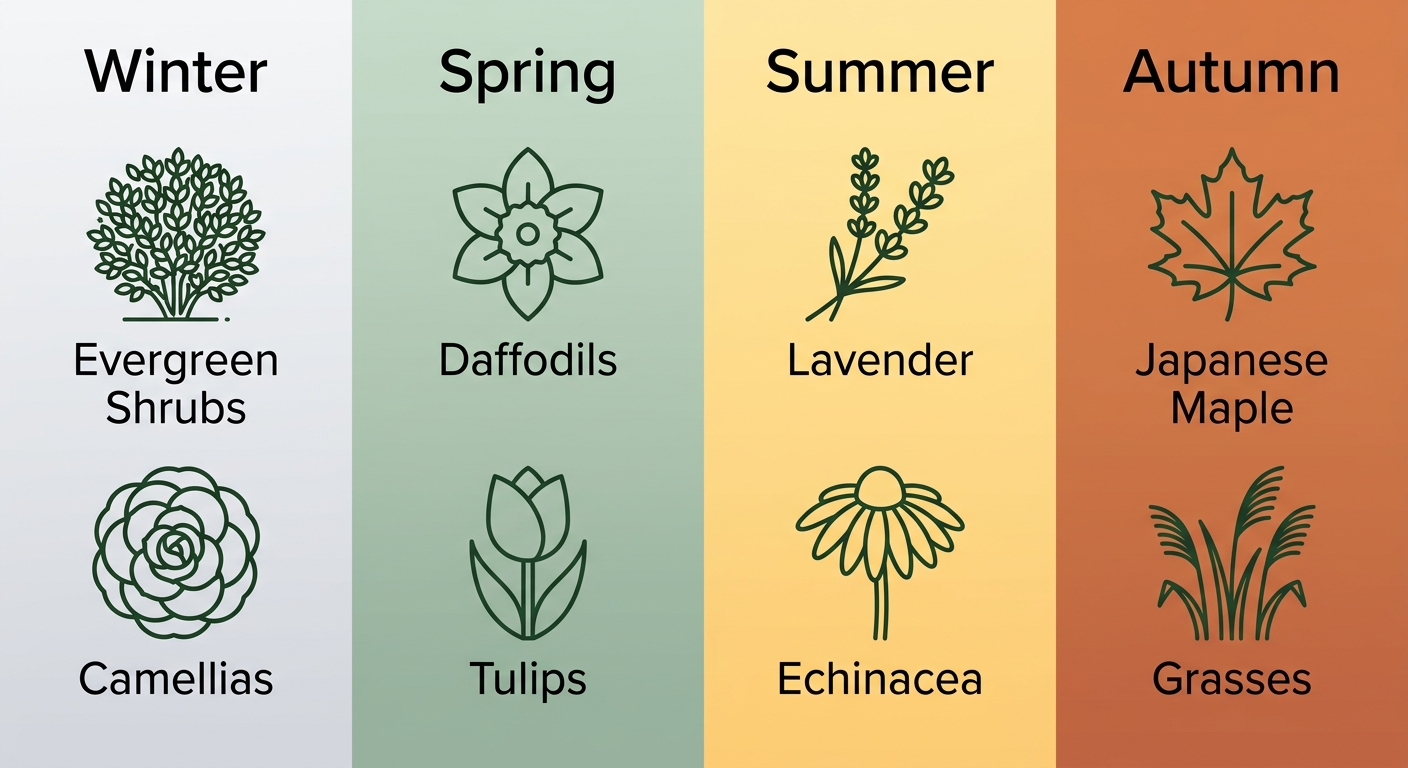
Year-round colour guide for BC gardens with seasonal plant picks.
For detailed planting calendars, check British Columbia government services. And when spent pots and yard debris need clearing, we’re just a call away.
5. Redesign Your Front Entry for Maximum Impact
When exploring front yard curb appeal ideas 2026, the upgrade that makes the biggest difference is your front entry. Start by clearing away old furniture, broken planters, stacked boxes, and any yard debris that creates a cluttered first impression.
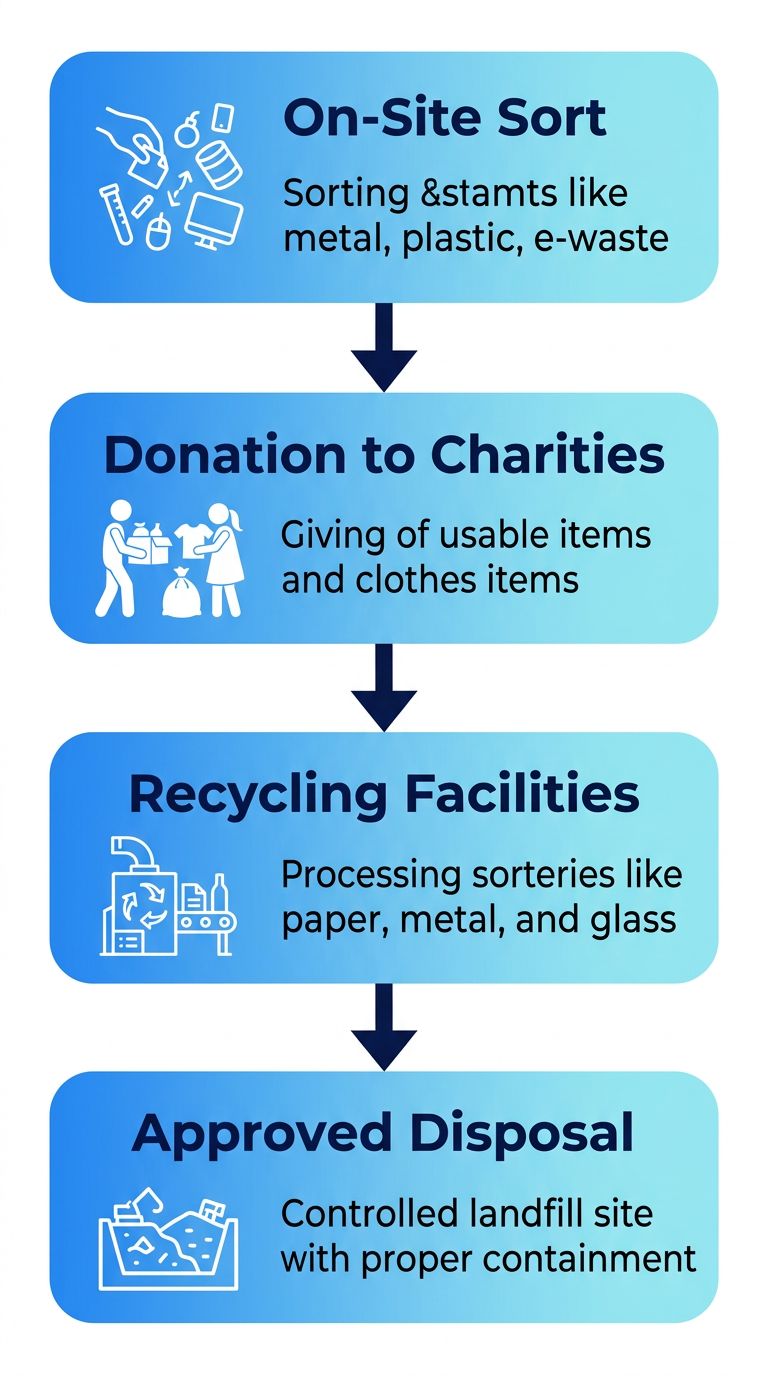
Our team does the heavy lifting—we remove everything, then sort materials for recycling and donation before leaving your property. Metal, cardboard, and reusable goods are separated on-site and diverted from the landfill whenever possible. We prioritise recycling and donation to reduce landfill waste, working with local partners like Habitat for Humanity and The Salvation Army to give reusable items a second life. Our disposal process aligns with the Metro Vancouver regional government‘s waste reduction goals, so your curb appeal refresh is also an eco-responsible choice.
Once the space is clear, wash the entry surfaces and add a fresh doormat, potted plants, updated house numbers, and a new light fixture for a welcoming look.
Ready to transform your entryway? Call us for a free, no-obligation quote and let us give you peace of mind, one piece at a time.
6. Understand the Cost of Your Landscaping Makeover
Planning your front yard curb appeal ideas 2026 means understanding the full cost breakdown, including the often-overlooked expense of debris removal from your landscaping project.
Key cost drivers include the volume of debris, the type of material (soil, concrete, green waste), the density of dense loads, and whether you need same-day service. For larger landscaping projects in Vancouver, our commercial junk removal options—like dumpster rental, bin service, or full hauling—give you flexibility without hidden fees.
We offer transparent, volume-based pricing with no hidden fees, and you can get a free quote by phone or online. A final quote requires an on-site assessment, but you’ll know exactly what to expect before any work begins. As you refine your front yard curb appeal ideas 2026, our team’s focus on recycling and donation reduces the environmental footprint of your makeover.
Get your FREE QUOTE from Junkyard Angel today—call or book online. We’ll provide a clear estimate and only begin work after you approve it, giving you peace of mind, one piece at a time.
Your Path to a Beautiful, Sustainable Front Yard
Achieving stunning front yard curb appeal ideas 2026 starts with a clean canvas. Walk your property and note old furniture, broken pots, plant debris, and any unwanted items. Removing that clutter is the essential first step toward any front yard transformation.
Our team handles yard waste (tree and plant material), soil, concrete, and dense materials for a true clean slate. We prioritize eco friendly junk removal in Vancouver, sorting for recycling and donation. If your front yard project ties into a business property, our commercial junk removal in Vancouver service follows the same earth-friendly process. Getting started is easy: request a free quote with no hidden fees.
Ready to start your front yard transformation? Get your free quote today and let’s clear the way to a beautiful, sustainable landscape.